
 +51 923 672 318






Introduction: The Pantry of the Andes
Puno, the folkloric capital of Peru, not only captivates with its dances and the majestic Lake Titicaca. Its gastronomy is a hidden treasure that fuses ancient ingredients like quinoa, potato, and fresh fish from the highest lake in the world. In this guide, we take you on a culinary journey to discover the dishes you absolutely must try on your visit to the Peruvian highlands.
"Puno's cuisine is a ritual of gratitude to Pachamama, where each ingredient tells a story of tradition and cultural resistance."
1. The King of the Lake: Pesque de Quinua
If there's a dish that represents the essence of Puno, it's Pesque de Quinua. This traditional dish, of pre-Hispanic origin, is a thick stew prepared with quinoa, milk, fresh cheese, and a touch of muña (Andean aromatic herb). It's served accompanied by golden potatoes and a portion of dried llama or lamb meat. It's the perfect breakfast to combat the cold of the highlands and an explosion of flavor and nutrients.
2. Delicacies of Lake Titicaca
Lake Titicaca provides unique ingredients not found anywhere else in the world.
Ispi or Fried Carachi
Ispi is a small, silvery fish endemic to the lake. It's caught artisanal and fried until crispy. It's served as an appetizer or side dish, usually with slices of boiled potato, toasted corn (cancha), and an onion and chili sauce. It's a bite that connects you directly with the sacred waters of Titicaca. Carachi is another native fish, slightly larger, that is prepared fried or in soups.
"A la Pobre" Trout
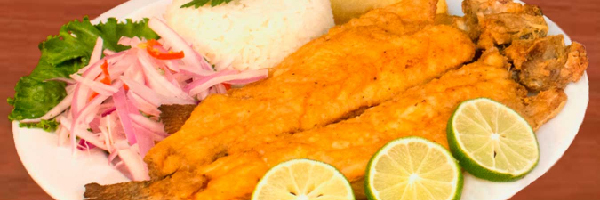
Trout, introduced to the lake decades ago, has become a delicacy. The "a la pobre" version is the most popular: a fresh trout fillet fried or grilled, covered with a generous layer of caramelized onion, tomato, and accompanied by rice, french fries, and a fried egg. It's a hearty and flavorful dish that you can't miss on your visit to the lake islands.
3. Chairo Puneño: The soup that comforts
Chairo is the traditional soup of the highlands. Originating from the viceregal era, it's a thick and nutritious broth that combines lamb or llama meat, chalona (dried meat), potatoes, chuño (dehydrated potato), broad beans, carrot, and mint. It's said to be the dish that travelers and muleteers drank to regain strength after long journeys. Today, it's essential at patron saint festivals and fairs in the region.
Remember that Puno's gastronomy is as varied as its dances. From the humitas and tamales sold on street corners, to the delicious Thimpu (a beef stew with rice, potato, and vegetables). We invite you to explore local markets like the Central Market of Puno, where color and flavor mix at every food stall.