
 +51 923 672 318



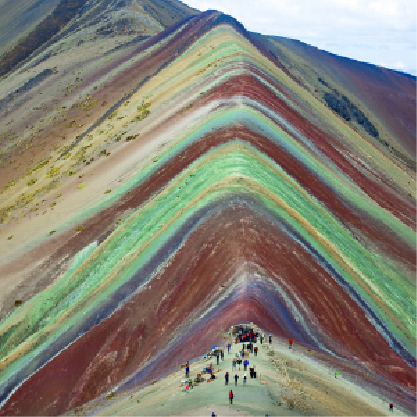
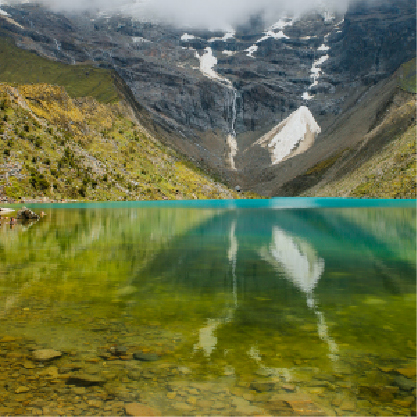
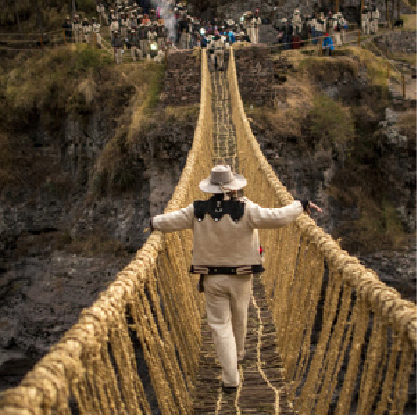
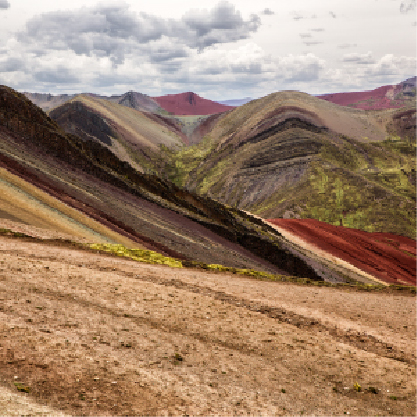
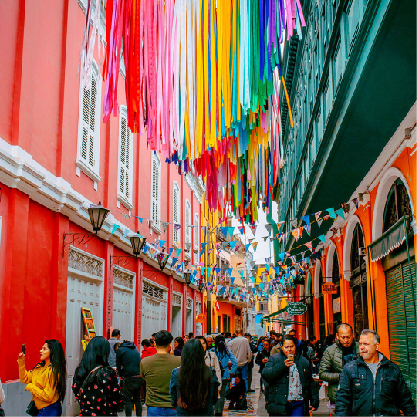
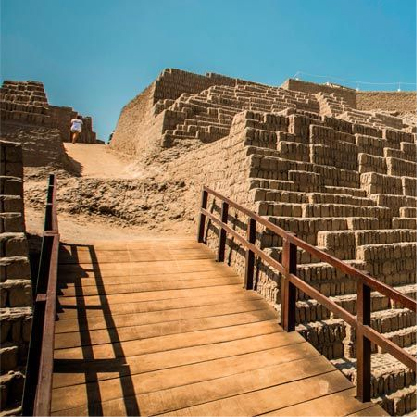
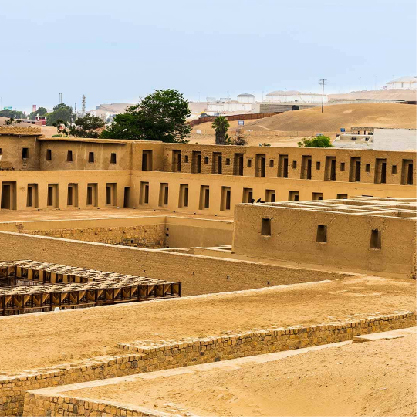

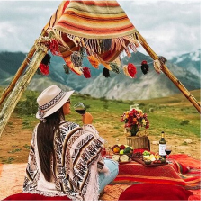
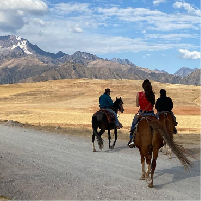
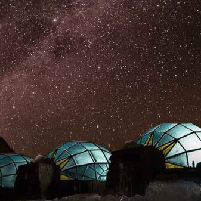

Imagine Machu Picchu without the crowds, the Sacred Valley in silence, and the lowest prices of the year. Low season in Peru (November to March, excluding holidays) is the best-kept secret of experienced travelers. Here we tell you why you should consider it for your next adventure.
Why travel in low season?
- Up to 40% discount on flights and hotels
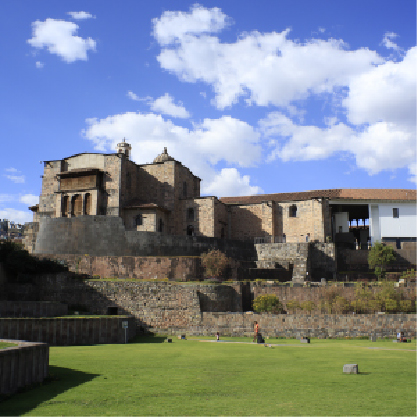
- Archaeological sites without crowds
- More personalized attention from guides and operators
- Guaranteed availability at the best restaurants
- Photos without dozens of people in the background
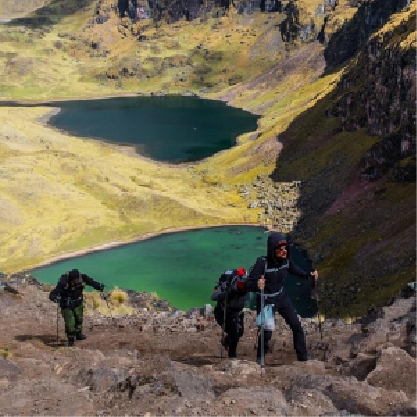
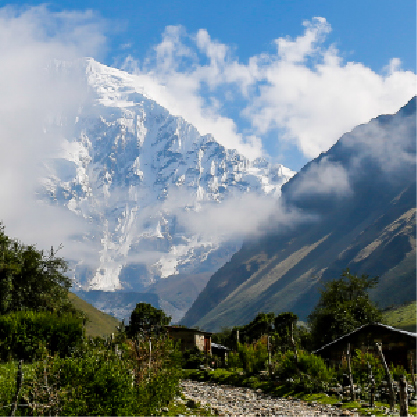
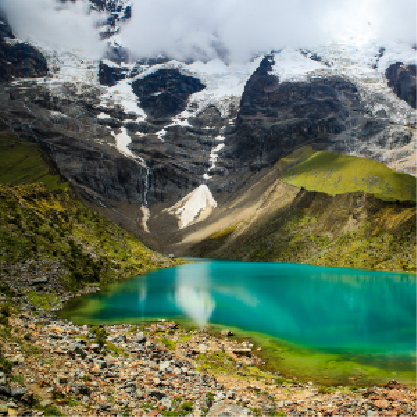
Most travelers plan their vacations between May and September, the classic "dry season" in the Andes. But what many don't know is that the rainy season (December to March) has a special charm: the fields turn emerald green, the mountains are covered with fresh snow, and the atmosphere is simply magical. Additionally, rains usually occur in the afternoons, leaving mornings clear for exploring.
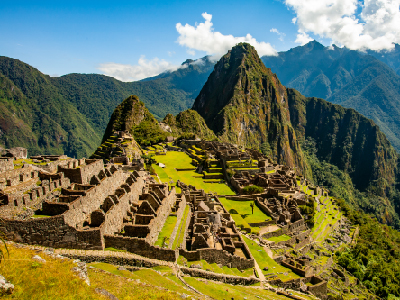
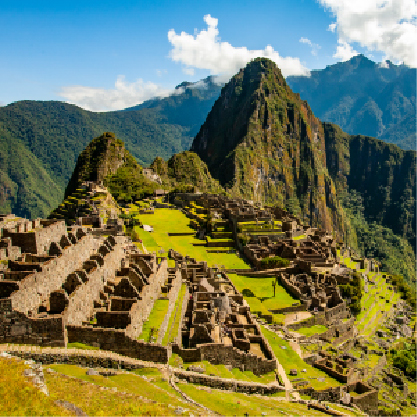
Machu Picchu for yourself
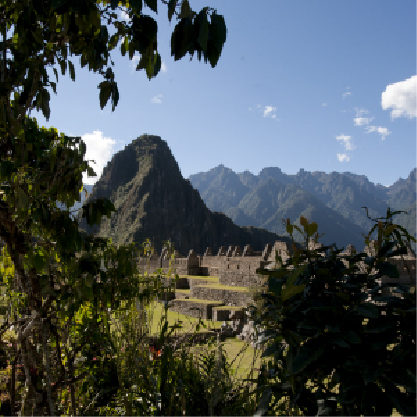
Imagine walking through the Inca citadel listening only to the wind and birds. In low season, entry tickets often have availability even for the same day, and the famous photos "with no one" are truly possible. The morning mist creates a mystical atmosphere that photographers seek all year round.
What to expect from the weather?
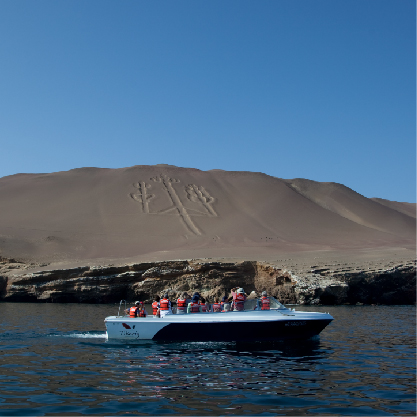
It's true that between January and March there's a higher probability of rain, especially in the jungle and the Cusco region. But Peru's microclimates work in your favor: while it rains in the Andes, the coast like Lima enjoys radiant sun with temperatures of 26-28°C (79-82°F). That means you can combine a visit to Machu Picchu with beach days in Paracas or the north of the country.
Destinations that shine in low season
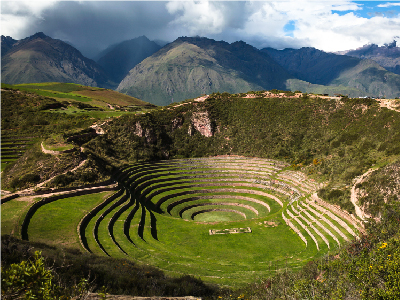
The Sacred Valley greens up
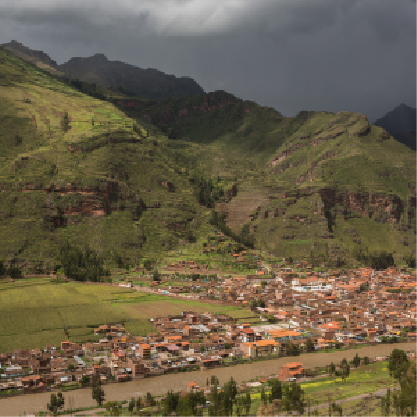
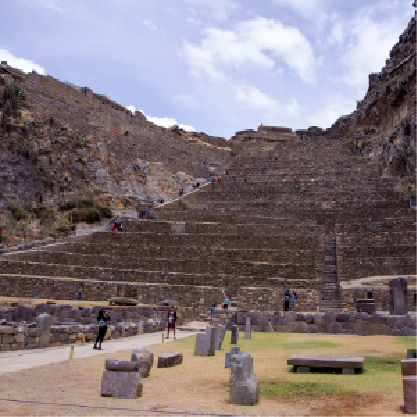
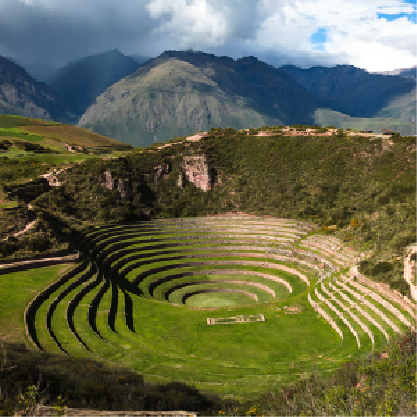
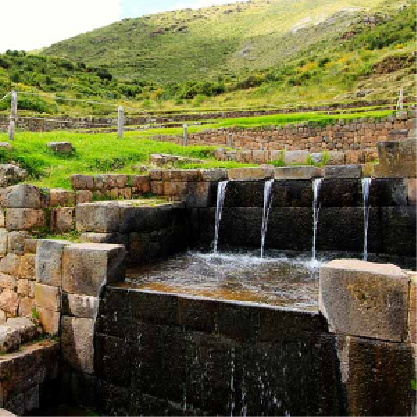
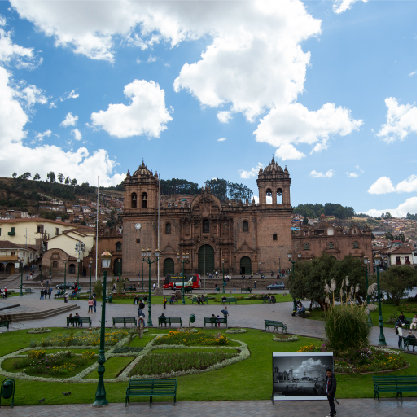
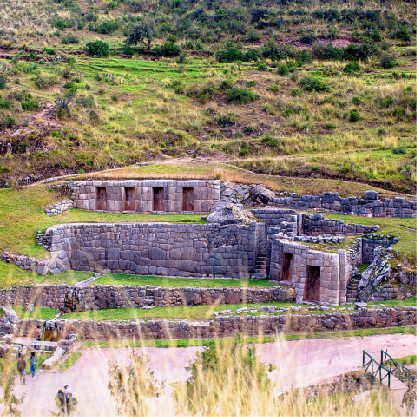
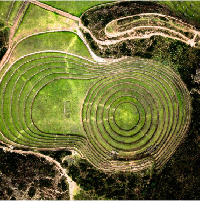
Far from being an inconvenience, the rains transform the terraces and mountains into a tapestry of greens impossible to see in dry season. Towns like Pisac and Ollantaytambo look more authentic with fewer tourists. Additionally, artisan markets offer better prices due to lower demand.
The jungle: Amazon at its peak splendor
For nature lovers, the rainy season means swollen rivers and increased wildlife activity. Animals approach the riverbanks and vegetation is at its maximum exuberance. Lodges in Tambopata and Manu offer reduced rates and a more intimate jungle experience.
Lima and the coast: guaranteed sun
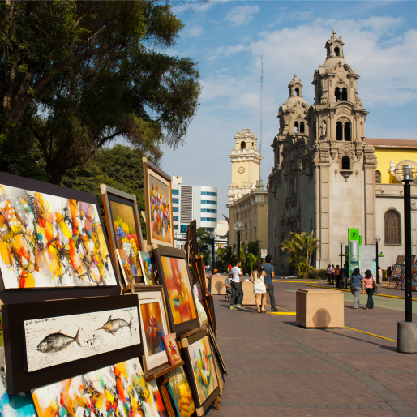
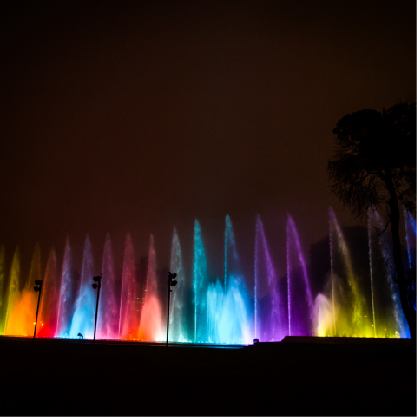
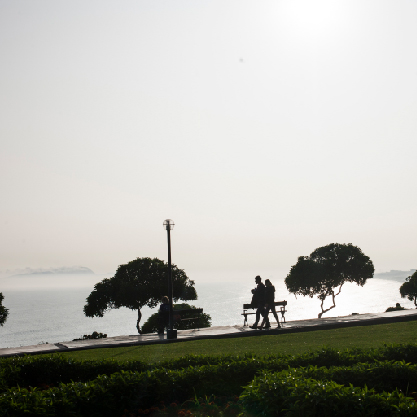
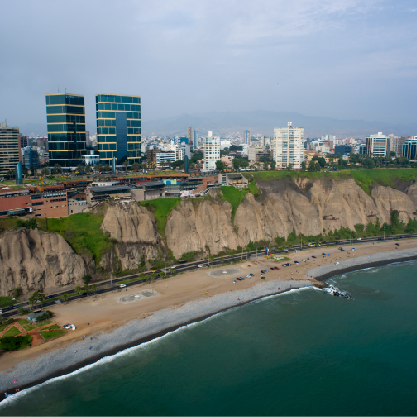
While the rest of the country receives rain, Lima enjoys its best weather: clear skies, warm temperatures, and spectacular sunsets over the Pacific. It's the perfect time to visit the Magic Water Circuit, the cliffs of Miraflores, and the seaside restaurants.
"I traveled to Peru in February and it was the best decision. I had Machu Picchu practically to myself, the guides were super attentive, and I paid almost half the price my friends paid who went in July. I would do it again without hesitation!"
Practical tips for your trip
- Pack smart: Bring waterproof clothing, comfortable shoes, and layers for temperature changes.
- Flexibility: Rain can delay flights or trains; leave margin in your itinerary.
- Take advantage of discounts: Many hotels offer promotions like "2x1" or free nights in low season.
- Early bird: Mornings are usually clear, ideal for visiting archaeological sites.
- Check local weather: Each region has different microclimates; inform yourself before packing.
Low season in Peru is not a compromise, it's an opportunity. Fewer tourists, lower prices, and a more authentic connection with destinations. If you can handle occasional rain, you'll take away memories that high-season travelers can never experience. Do you dare to discover a more intimate and personal Peru?