Introduction
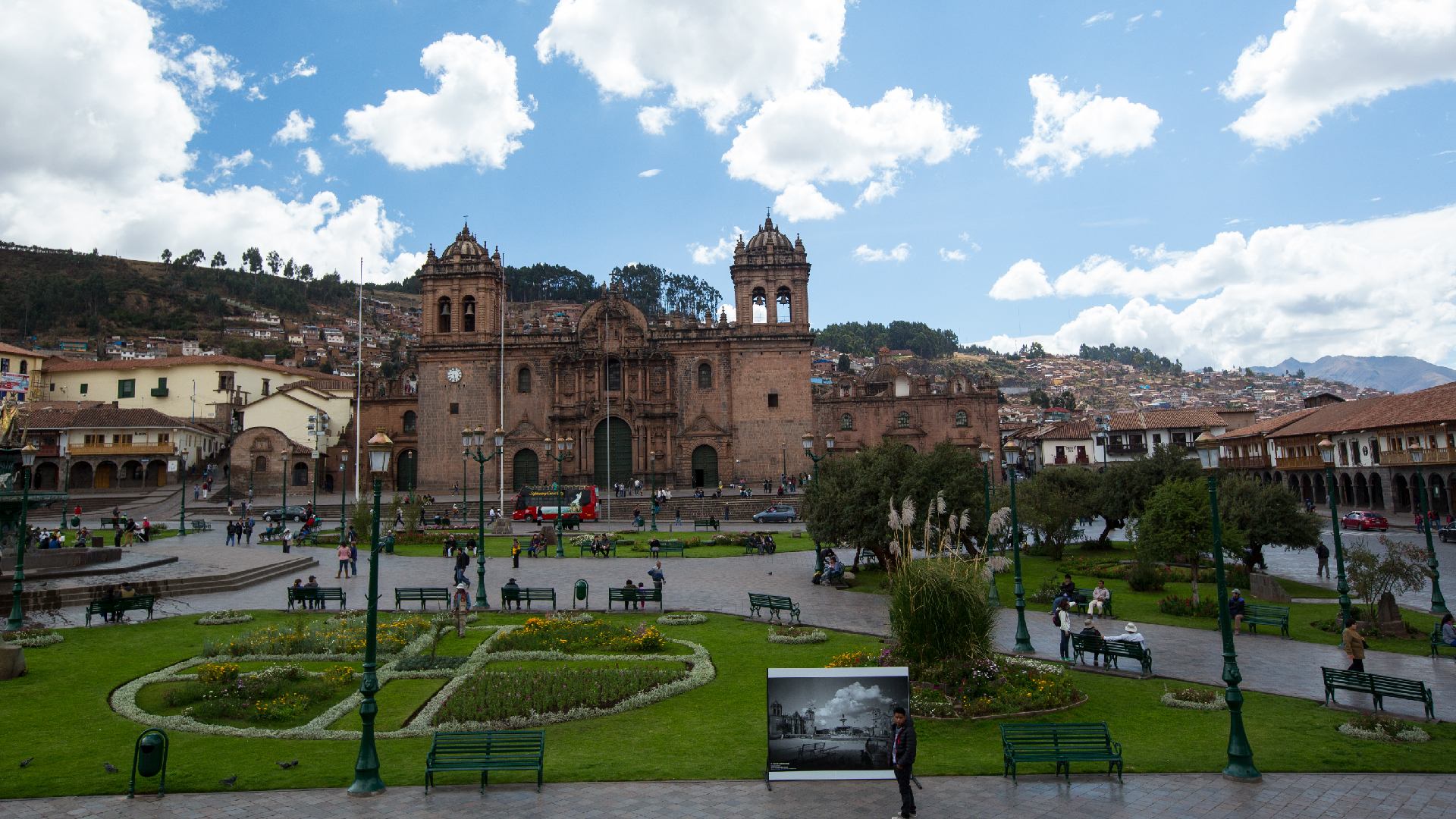
Cusco, the ancient capital of the Inca Empire, sits at an impressive 3,400 meters (11,150 feet) above sea level. While its cobblestone streets and colonial architecture attract millions of visitors each year, the altitude can be a challenge for those not accustomed to high elevations. The condition commonly known as "soroche" or acute mountain sickness (AMS) affects many travelers, but with the right preparation, you can minimize its effects and enjoy your trip to the fullest.
In this guide, you'll find practical advice, natural remedies, and essential recommendations to prevent and relieve altitude sickness in Cusco. Whether you're planning a visit to Machu Picchu, exploring the Sacred Valley, or immersing yourself in the city's rich history, these tips will help you feel your best from the moment you arrive.
📌 Key fact: Altitude sickness occurs when your body struggles to adapt to the lower oxygen levels at high elevations. Symptoms typically appear within 6 to 24 hours of arrival and can include headache, fatigue, nausea, dizziness, and shortness of breath.
Understanding Altitude Sickness: Symptoms and Causes
Before learning how to prevent altitude sickness, it's important to recognize its symptoms. The body's response to high altitude varies from person to person, and even fit individuals can experience discomfort. The most common symptoms include:
- Headache: Often the first and most common symptom, ranging from mild to severe.
- Fatigue and weakness: Feeling unusually tired even after minimal exertion.
- Dizziness and lightheadedness: A sense of imbalance or feeling faint.
- Nausea and loss of appetite: Stomach discomfort that can lead to vomiting.
- Shortness of breath: Difficulty catching your breath during normal activities.
- Sleep disturbances: Insomnia or frequent waking during the night.
These symptoms are caused by the lower oxygen pressure at high altitudes, which forces your body to work harder to oxygenate your blood. The good news is that with proper acclimatization, most people adapt within 1 to 3 days.
Essential Tips: Prevention & Relief
We've organized the best tips into four categories: prevention, natural remedies, dietary advice, and emergency actions. Review them carefully to plan your acclimatization strategy.
| Category | Recommendation | Why it works |
|---|---|---|
| Prevention | Gradual ascent Spend 2–3 days in Cusco before heading to higher altitudes. |
Allows your body to produce more red blood cells gradually. |
| Prevention | Stay hydrated Drink 2–3 liters of water daily, avoid alcohol and caffeine. |
Hydration helps maintain blood volume and oxygen delivery. |
| Natural Remedy | Coca leaf tea Traditional Andean infusion consumed locally. |
Helps reduce headache and fatigue; improves oxygen absorption. |
| Natural Remedy | Muña (Andean mint) Infusion or chew the leaves. |
Relieves stomach discomfort and helps with digestion. |
| Diet | Light meals Eat small portions, avoid heavy or fatty foods. |
Reduces the digestive burden, allowing more energy for acclimatization. |
| Diet | Complex carbohydrates Bread, pasta, rice, and cereals. |
Provide sustained energy without overloading the digestive system. |
| Emergency | Descend immediately If symptoms worsen, go to a lower altitude. |
Descending is the most effective way to reverse severe symptoms. |
| Emergency | Oxygen or medication Use supplemental oxygen or acetazolamide if prescribed. |
Helps alleviate symptoms quickly; consult a doctor before traveling. |
Natural Remedies for Altitude Sickness
These traditional Andean remedies are widely used by locals and travelers alike to prevent and relieve altitude symptoms.
Coca Leaf Tea
Chewing coca leaves or drinking coca tea is the most traditional remedy in the Andes. It helps reduce headache, fatigue, and improves oxygen absorption. You'll find it in hotels, restaurants, and markets throughout Cusco.
Muña (Andean Mint)
This aromatic plant is known for its digestive properties. Drinking muña tea helps relieve nausea, stomach cramps, and indigestion that often accompany altitude sickness.
Electrolyte Drinks
Replenishing electrolytes helps maintain fluid balance and can reduce dizziness and fatigue. You can buy oral rehydration salts at local pharmacies or prepare a natural version with lemon and salt.
Andean Grain Porridge
Local grains like quinua or kiwicha are rich in nutrients and easy to digest. A warm porridge in the morning provides sustained energy without overloading your stomach.
Practical Tips for Your First Days in Cusco
Avoid strenuous activities on your first day. Walk slowly, rest frequently, and listen to your body.
Instead of rushing to visit all the sites, plan a relaxed itinerary for the first two days to allow acclimatization.
Altitude can affect sleep. Keep your room ventilated, avoid heavy meals before bed, and consider using a humidifier.
Practice deep breathing exercises to increase oxygen intake. Inhale slowly through your nose and exhale through your mouth.
If you have pre-existing conditions, talk to your doctor before traveling. They may recommend medication like acetazolamide.
UV radiation is stronger at high altitudes. Use sunscreen, sunglasses, and a hat to avoid sunstroke, which can worsen symptoms.
Frequently Asked Questions
For most people, symptoms begin to subside within 24 to 48 hours. Complete adaptation to the altitude can take up to 3 days. If symptoms persist or worsen, it's important to descend to a lower altitude and seek medical attention.
While coca tea is widely consumed in the Andes, its safety during pregnancy has not been thoroughly studied. It's best to consult your doctor before consuming any herbal products during pregnancy.
Yes, children can also experience altitude sickness. It's important to keep them hydrated, avoid overexertion, and monitor their symptoms closely. If they show signs of severe discomfort, descend to a lower altitude.
If you feel severe dizziness, confusion, or have difficulty walking, seek immediate medical assistance. These could be signs of high-altitude cerebral edema (HACE), a medical emergency. Descend to a lower altitude as quickly as possible.
Yes, Acetazolamide (Diamox) is commonly prescribed to prevent and treat altitude sickness. It works by helping your body adapt faster to high altitude. Consult your doctor before taking any medication, as it may have side effects.
Conclusion
Visiting Cusco is a once-in-a-lifetime experience, and the altitude shouldn't stop you from enjoying it. By following the advice in this guide—from gradual acclimatization and proper hydration to incorporating natural remedies like coca tea—you can minimize the discomfort of altitude sickness and focus on the magic of the Andes.
Remember, everyone reacts differently to high altitude. Listen to your body, take it slow, and don't hesitate to seek help if you need it. With the right preparation, your journey to Cusco will be as safe as it is unforgettable.
📌 Ready for the adventure? Cusco awaits with its rich history, vibrant culture, and breathtaking landscapes. Plan ahead, take care of your health, and get ready to create memories that will last a lifetime.